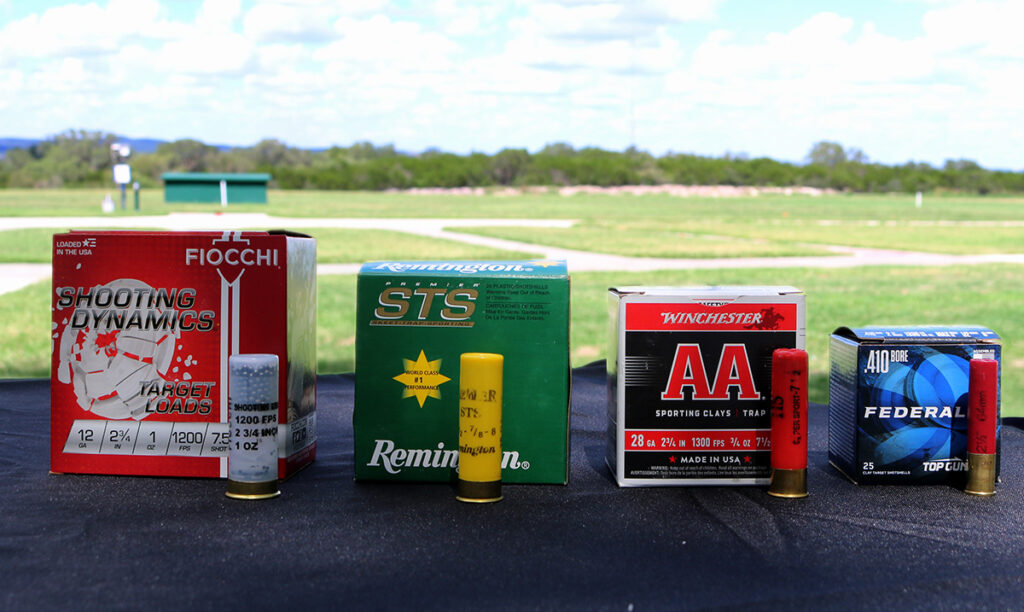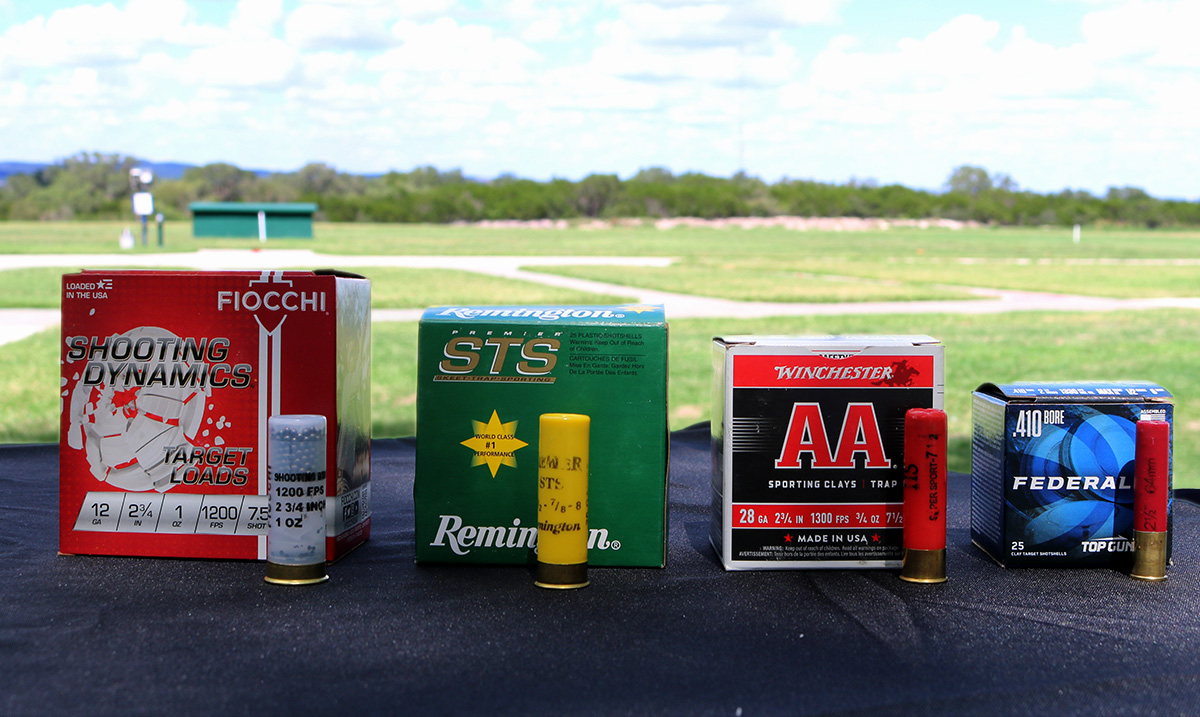
Shotgun shells, also known as shotshells, are the ammunition used in shotguns and are among the most versatile types of firearm ammunition available. Unlike rifle or handgun cartridges, shotgun shells can fire multiple pellets or a single large projectile, making them suitable for hunting, sport shooting and defensive use.
This guide explains what shotgun shells are, how they work, their components, gauges, shot types and how to choose the right shell safely and responsibly. Whether you are new to shooting or simply want a clearer understanding of shotgun ammunition, this article is designed to give you accurate, practical knowledge you can rely on.
What Is a Shotgun Shell?
A shotgun shell is a self-contained unit of ammunition designed specifically for use in a shotgun. Instead of firing a single bullet like most rifle or handgun cartridges, a shotgun shell typically fires multiple small pellets (called shot) or, in some cases, a single solid projectile (called a slug).
Shotgun shells are commonly used for:
- Hunting game of various sizes
- Clay target sports such as trap, skeet and sporting clays
- Training and recreational shooting
- Home and property defense
Because shotgun shells vary widely in size, power and configuration, understanding their differences is essential for both performance and safety.
Anatomy Explained
The Parts of a Shotgun Shell
Every modern shotgun shell contains the same basic components, each playing a specific role in how the shell functions.
Test your Knowledge
Click the arrows to learn each part of the Shotshell
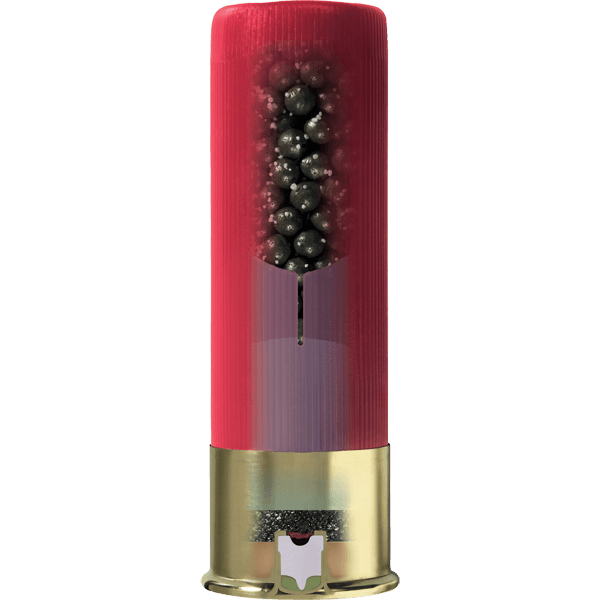
Hull (Shell Casing)
Shot or Slug
Wad
Powder Charge
Primer
Hull (Shell Casing)
The hull is the outer casing of the shotgun shell, usually made of plastic with a metal base. It holds all internal components together and is designed to withstand pressure when the shell is fired.
Shot or Slug
The payload is either:
- Shot: many small pellets
- Slug: one solid projectile
The type of payload determines how the shell is used and how it performs.
Wad
The wad sits between the powder and the shot or slug. It seals gas behind the payload, helps protect the barrel and influences how the shot pattern forms after leaving the muzzle.
Powder Charge
Inside the hull is a measured amount of gunpowder. When ignited by the primer, the powder rapidly burns and creates gas pressure that propels the payload down the barrel.
Primer
The primer is located in the base of the shell. When struck by the shotgun’s firing pin, it ignites and starts the firing process.
How Do Shotgun Shells Work?
When the trigger is pulled, the firing pin strikes the primer. The primer ignites the powder, creating rapidly expanding gases. This pressure pushes the wad and payload down the barrel. Once the payload exits the muzzle, shot spreads outward in a pattern, while a slug continues as a single projectile.
Using the correct shell for your shotgun’s gauge and chamber length is critical. Firing an incompatible shell can damage the firearm and cause serious injury.
Understanding Shotgun Shell Measurements
Choosing the correct shotgun shell starts with understanding the information printed on the box. Shotgun shells vary widely in size, power and purpose and using the wrong shell can lead to poor performance or serious safety risks. Learning how to read shotshell markings helps ensure you select ammunition that is both safe and appropriate for your shotgun.
Reading the Shotshell Box Correctly
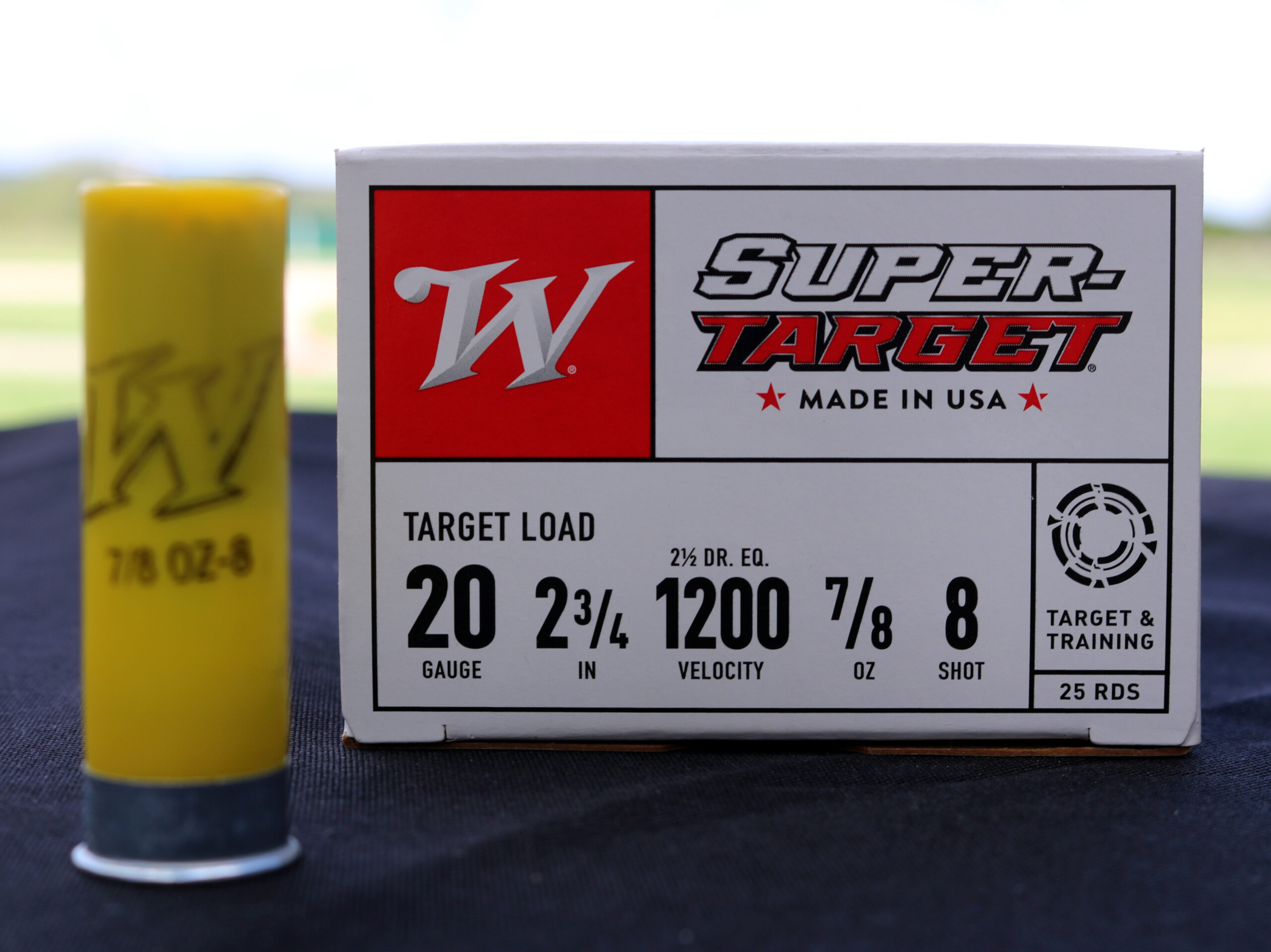
Gauge
(based on diameter bore)
Shell Length
(Measured in inches)
Shot Speed
(measured in feet per second)
Shot Weight
(measured in ounces)
Shot Size
(size of Individual pellets inside shell)
Gauge
What Does “Gauge” Mean?
Shotgun gauge is a historical measurement based on the diameter of the bore. The smaller the gauge number, the larger the bore diameter. This is why a 12-gauge shotgun is larger than a 20-gauge shotgun.
With the exception of the .410-bore, which is not a gauge at all (it’s actually a caliber) but often mistakenly called one, the gauge number is equal to the number of lead balls of that bore diameter that add up to weigh one pound.
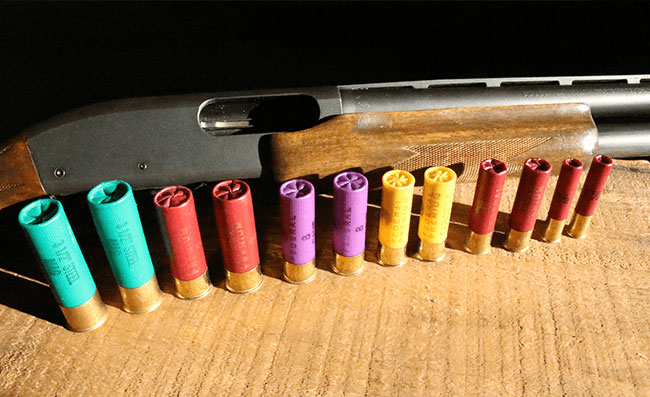
The common lineup of gauges made today (from smallest to largest) are .410-bore (again, not actually a gauge, but a common shotgun chambering), 28-gauge, 20-gauge, 16-gauge, 12-gauge and 10 gauge.
| 12 Gauge | Hunting, Sport, Defense | Moderate - High | Most versatile and widely available |
| 20 Gauge | Hunting, Sport | Moderate | Lighter recoil than 12 gauge |
| 16 Gauge | Hunting | Moderate | Less common, niche following |
| 28 Gauge | Sport shooting | Low | Limited availability |
| .410 Bore | Training, small game | Very Low | Not technically a gauge |
Fun Fact: Shotguns of long ago also included the mammoth 8-gauge and 4-gauge and the smaller 24-gauge and 32-gauge, but these are now collectors’ items.
Shell Length
Undertsanding the Shell Length (Chamber Compatibility)
Shotgun shells are also labeled by length, usually shown in inches. Commonly:
- 2¾ inches
- 3 inches
- 3½ inches
Your shotgun’s chamber is designed for a specific maximum shell length. Never use shells longer than your shotgun’s chamber rating, as this can create dangerous pressure levels.
The shell length must be equal to or shorter than your shotgun’s chamber length.
- A shotgun marked “12 GA 2¾” or 3” can safely fire both 2¾" and 3" shells
- A shotgun marked “2¾” only should never fire 3" shells
Why this matters:
When fired, the shell unfolds to its full length. Using a shell longer than the chamber can cause dangerously high pressure.
Velocity
Note the Velocity
Shotgun shell velocity is usually listed on the box in feet per second (FPS). This number indicates how fast the shot or slug leaves the barrel and is one of the clearest indicators of a shell’s performance.
- Higher FPS generally means faster shot travel and often increased recoil
- Lower FPS typically produces less recoil and is common in target or reduced-recoil loads
Velocity affects how a shell feels when fired and how it performs at different distances, but faster is not always better. Many shooters choose velocity based on comfort, control and intended use.
Some shotshell boxes may also list Dram Equivalent, an older measurement that dates back to black powder ammunition. Originally, it indicated how much black powder would have been required to achieve similar performance. Today, dram equivalent is a relative reference, not a literal measurement.
- A higher dram equivalent generally indicates a more powerful load
- A lower dram equivalent typically means lighter recoil
Dram equivalent remains useful as a general comparison tool, especially when comparing similar shells from different manufacturers.
Shot Weight
Shot Weight (Ounces) Explained
Shot weight, listed on a shotshell box in ounces (oz), refers to the total weight of the shot pellets inside the shell. This number tells you how much material is being fired with each shot.
Common shot weights include:
- 7/8 oz
- 1 oz
- 1⅛ oz
- 1¼ oz
Shot weight (oz) tells you how much shot is in the shell, not how big the pellets are.
Heavier shot weights increase pellet count and recoil, while lighter shot weights are often easier to shoot comfortably.
Size
Read the Shot Size or Slug Information
The shot number size on a shotshell box tells you how large each individual pellet is inside the shell.
- #7½, #8, #9 (small birdshot)
- #4, #2, BB (larger shot)
- 00 buck or 000 buck (buckshot)
Smaller numbers indicate larger pellets, while larger numbers indicate smaller pellets.
Why this matters:
Shot size affects pattern density, effective range and how the shell performs for different activities like hunting or target shooting.
Understanding shot size helps shooters select shells that produce the right balance of pattern density and performance for their needs.
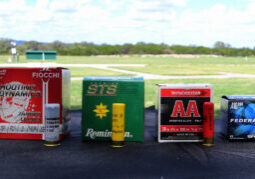
Shotshell box examples
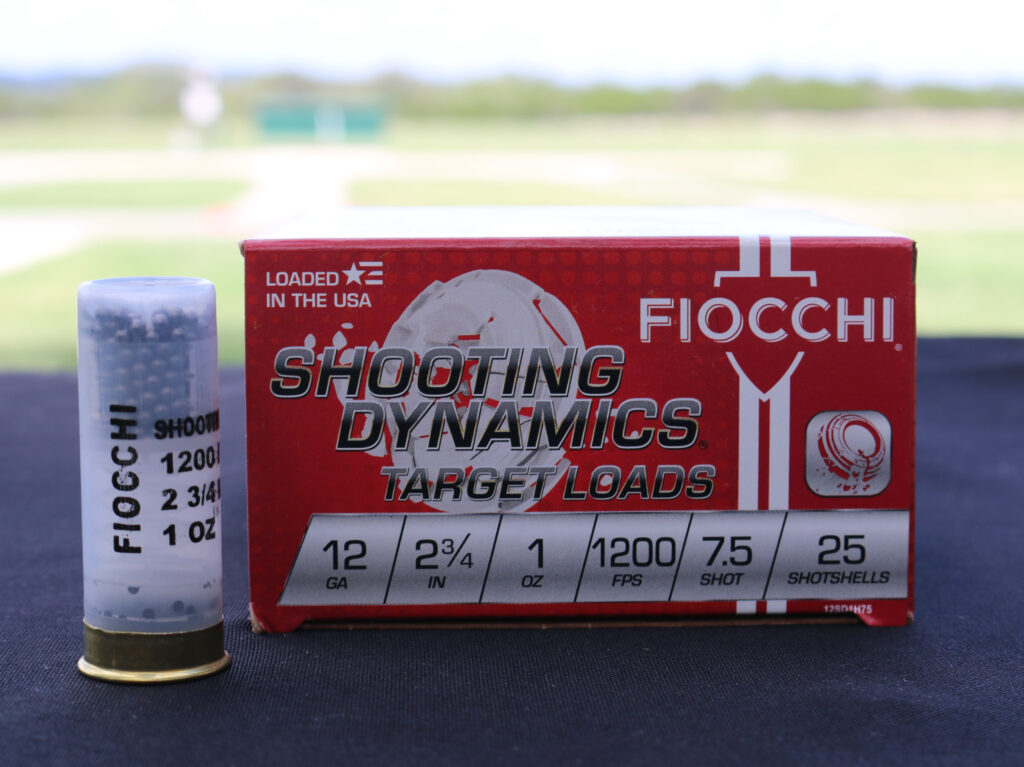
Box of Fiocchi 12 gauge shotshells that are 2¾ inches long, with 1 oz of #7.5 shot.
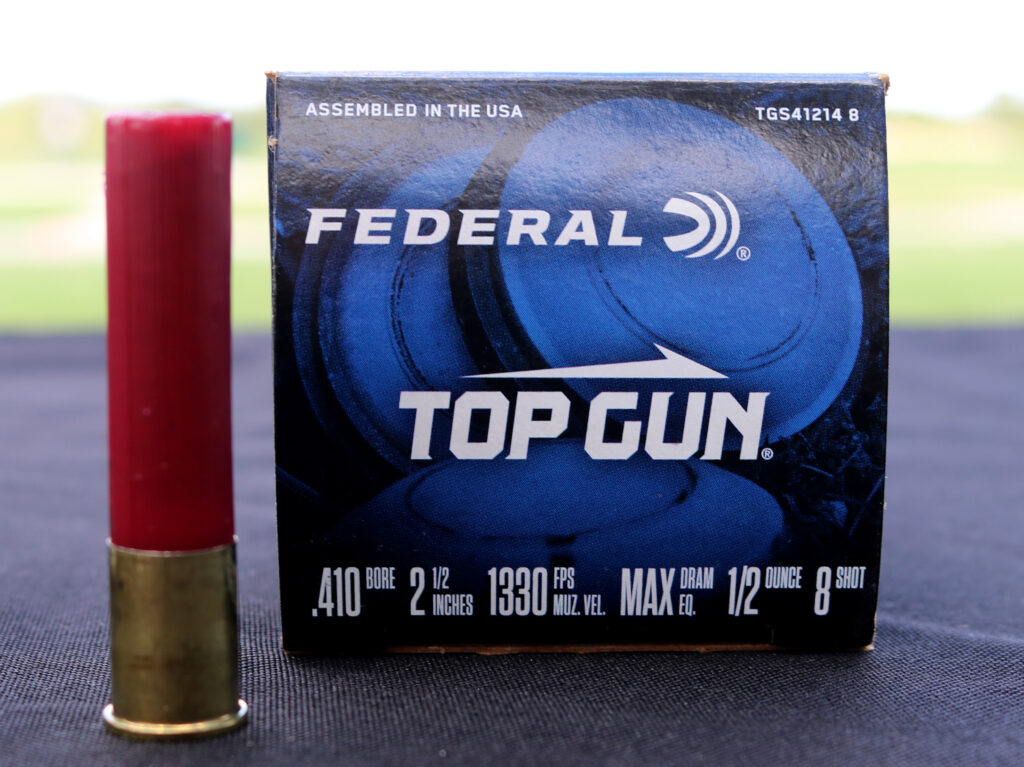
Box of Federal .410 bore shotshells that are 2½ inches long, with ½ oz of #8 shot.
Before Loading
How to Make Sure the shell Is Right for Your Gun?
Match the Gauge to Your Shotgun
The gauge listed on the box must exactly match the gauge marked on your shotgun barrel or receiver. Shotgun shells are not interchangeable between gauges.
Why: Even a shell that appears close in size can become lodged in the barrel or fail to chamber properly, creating a serious safety hazard.
Check the Shell Length (Chamber Compatibility)
The shell length must be equal to or shorter than your shotgun’s chamber length.
Why: When fired, the shell unfolds to its full length. Using a shell longer than the chamber can cause dangerously high pressure.
Understand the Shot Type & Size
The box will indicate the type of payload the shell contains: birdshot, buckshot or a slug.
Why: Shot type & size affect pattern density, effective range and how the shell performs for different activities like hunting or target shooting.
Note the Velocity and Payload Weight
Most shotshell boxes list velocity and payload weight.
Why: Higher velocity and heavier payloads generally produce more recoil and different shot patterns.
Identify the Shot Material
Many shotshell boxes specify the material used for the shot, such as lead, steel, tungsten-based alloys.
Why: Some hunting areas legally require non-lead shot, especially for waterfowl. Always check local regulations before selecting ammunition.
Learn from the Pros
Shotgun Shell Patterns & Loads Demonstration
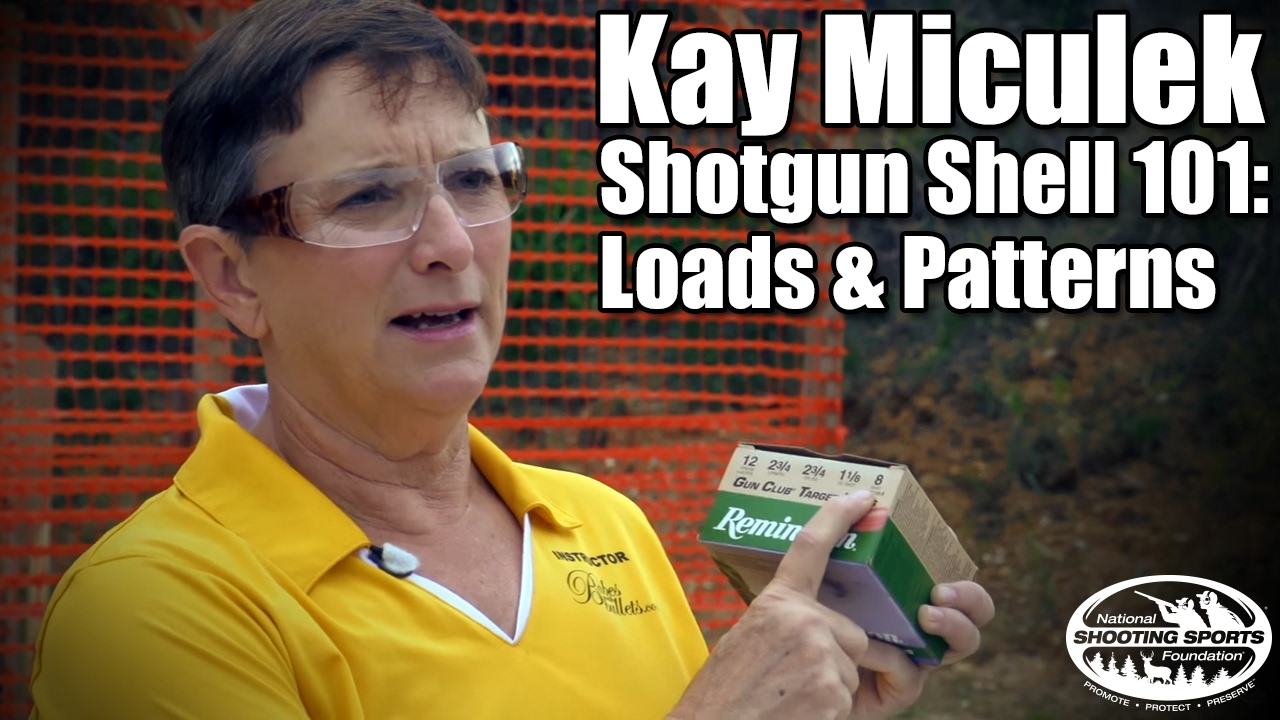
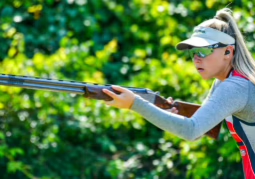
In this video, World Champion Target Shooter, Kay Miculek, explains to beginner shooters the differences between various shotgun shell loads and demonstrates shot patterns on paper targets.
Learn More About Shotgun Ammunition and Terminology
Explore detailed explanations of common shotgunning terms to better understand how shotgun shells, gauges, chokes and how they all come together.
?
Frequently Asked Shotgun Shell Questions (FAQs)
Articles
More Clay Shooting Resources






By: NSSF_admin